
Introduction
Gene Knockdown Stable Cell Lines are a cornerstone of modern molecular and cellular biology. They enable researchers to reduce gene expression in a stable, heritable, and reproducible manner, making them ideal for long-term experiments, pathway analysis, and mechanistic studies. Because gene knockdown does not completely eliminate gene function, these systems are especially valuable for studying essential genes, regulatory networks, and dosage-dependent biological effects.
Extensive educational background on gene regulation, molecular genetics, and experimental models is available from government and academic institutions such as https://www.nih.gov, https://www.ncbi.nlm.nih.gov, and https://www.genome.gov.
Understanding Gene Knockdown Versus Gene Knockout
Gene knockdown refers to partial suppression of gene expression, typically at the mRNA or transcriptional level, whereas gene knockout results in complete loss of gene function. In laboratory research, knockdown approaches often provide more physiologically relevant insights, particularly when total gene loss leads to lethality or compensatory artifacts.
Introductory and advanced explanations of gene expression control can be found at:
Technologies Used to Generate Stable Gene Knockdown Cell Lines
RNA Interference (RNAi) and shRNA
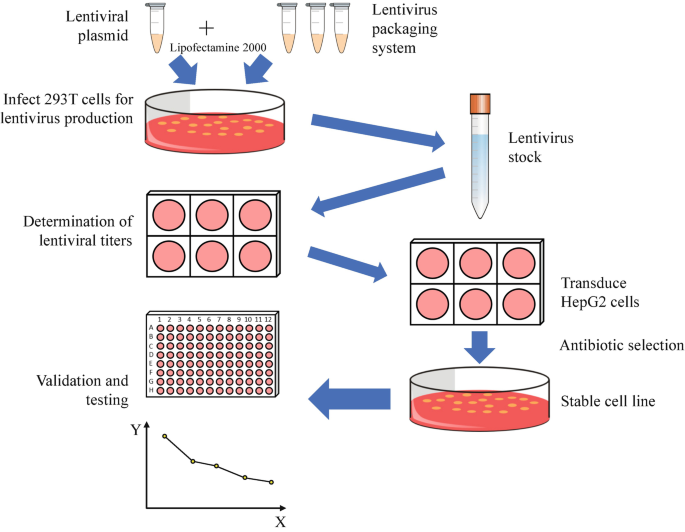
Short hairpin RNA (shRNA)–based knockdown is one of the most widely adopted methods for generating stable gene knockdown cell lines. shRNA constructs are commonly delivered using lentiviral vectors, allowing genomic integration and long-term expression. Once transcribed, shRNA is processed into siRNA by the endogenous RNAi machinery, resulting in degradation of the target mRNA.
Authoritative resources explaining RNA interference include:
CRISPR Interference (CRISPRi)
CRISPR interference (CRISPRi) relies on a catalytically inactive Cas9 protein (dCas9) fused to transcriptional repressors. This system binds specific genomic loci and blocks transcription without inducing DNA breaks. CRISPRi provides high specificity, tunable repression, and reversibility, making it increasingly popular in functional genomics.
Educational and policy-level information on CRISPR technologies is available at:
Workflow for Establishing Gene Knockdown Stable Cell Lines
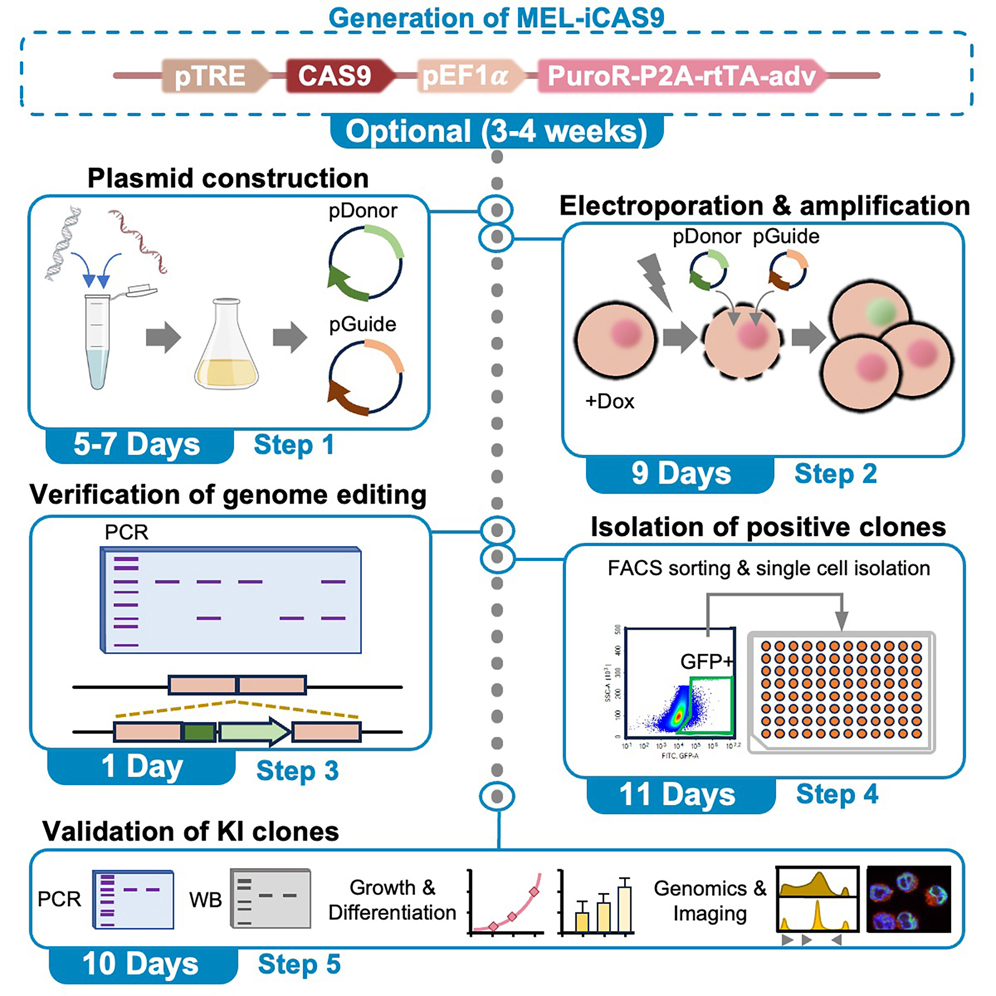
A typical laboratory workflow includes:
-
Design of shRNA or guide RNA targeting the gene of interest
-
Vector construction and viral packaging
-
Cell transduction or transfection
-
Antibiotic or fluorescence-based selection
-
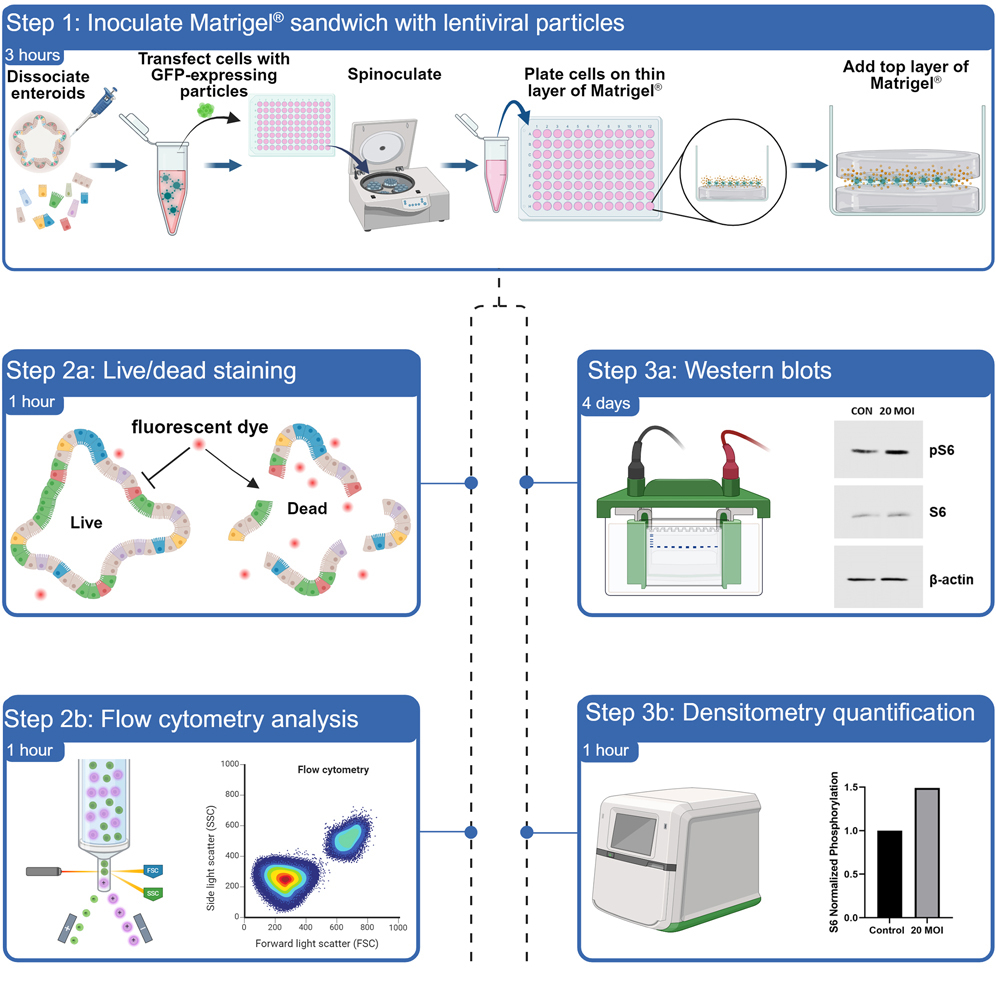
Validation of knockdown efficiency
-
Functional and phenotypic characterization
Detailed laboratory workflows and best practices are documented at:
Key Laboratory Applications
Functional Genomics
Stable gene knockdown cell lines enable systematic interrogation of gene function across biological pathways, supporting transcriptomic, proteomic, and phenotypic analyses.
Cancer Biology and Disease Modeling
By stably suppressing oncogenes, tumor suppressors, or disease-associated genes, researchers can model disease mechanisms and investigate cellular dependencies.
Drug Discovery and Target Validation
Gene knockdown stable cell lines are widely used to validate therapeutic targets and assess pathway sensitivity in preclinical research.
Signal Transduction and Network Biology
Reducing expression of receptors, kinases, or transcription factors allows detailed mapping of signaling cascades and regulatory networks.
Advantages of Gene Knockdown Stable Cell Lines
-
Long-term, consistent gene suppression
-
Improved reproducibility across experiments
-
Reduced variability compared to transient methods
-
Compatibility with high-throughput and long-term studies
-
Enhanced relevance for essential gene research
Guidelines on experimental rigor and reproducibility are provided by:
Validation and Quality Control Strategies
Validation is critical to ensure biological relevance. Common approaches include:
-
Quantitative PCR for transcript analysis
-
Western blot or immunocytochemistry for protein detection
-
Functional assays aligned with gene function
Reference standards and validation guidance:
Emerging and Advanced Research Applications
Gene knockdown stable cell lines are increasingly applied in:
-
Epigenetics and chromatin remodeling research (https://www.ncbi.nlm.nih.gov/pmc/articles/PMC7140510/)
-
Stem cell biology and differentiation studies (https://stemcells.nih.gov)
-
Systems biology and computational modeling (https://www.ncbi.nlm.nih.gov/pmc/)
-
High-content imaging and phenotypic screening platforms
Conclusion
Gene Knockdown Stable Cell Lines are essential experimental systems for long-term, reproducible analysis of gene function. Their ability to model partial gene suppression makes them uniquely suited for functional genomics, disease research, and drug discovery. By combining robust molecular tools with rigorous validation, these cell lines continue to advance laboratory research across a wide range of scientific disciplines.