
Universities, government laboratories, and research institutes worldwide rely on primary cells to bridge the gap between simplified cell line systems and complex in vivo biology, especially in areas where cellular context matters.
For foundational background on mammalian cell culture principles, see:
What Defines a Primary Cell?
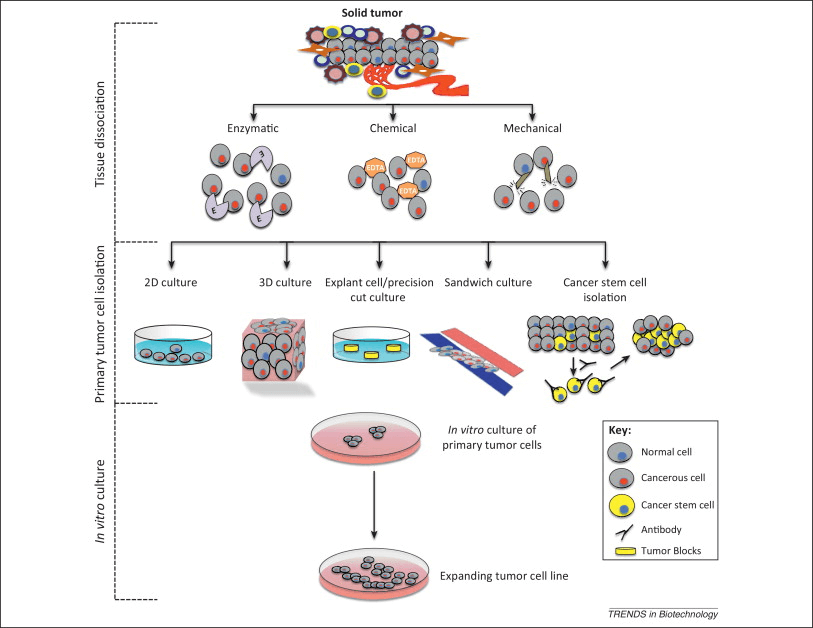
Primary cells are obtained directly from tissues using carefully optimized isolation procedures such as enzymatic digestion, mechanical dissociation, or density-gradient separation. Unlike immortalized cell lines, primary cells:
-
Retain tissue-specific gene expression profiles
-
Exhibit native receptor signaling and metabolism
-
Respond more realistically to external stimuli
-
Have a finite replicative lifespan
The biological differences between primary cells and transformed cell lines are well documented in academic literature:
Human vs. Animal Primary Cells: Complementary Research Tools
Human Primary Cells
Human primary cells are widely used for:
-
Translational research
-
Mechanistic pathway analysis
-
Human-specific toxicity and metabolism studies
They are frequently applied in hepatology, immunology, neuroscience, oncology, and cardiovascular research. NIH-supported resources discuss their role in predictive research models:
Animal Primary Cells
Animal primary cells (mouse, rat, rabbit, bovine, porcine, etc.) are essential for:
-
Comparative biology
-
Disease modeling
-
Preclinical mechanistic studies
They enable controlled genetic, dietary, and environmental variables that are difficult to achieve in human samples:
Core Laboratory Applications of Human & Animal Primary Cells
1. Immunology & Inflammation Research
Primary immune cells such as PBMCs, macrophages, dendritic cells, T cells, and B cells are central to:
-
Cytokine profiling
-
Innate immune signaling
-
Antigen presentation studies
Primary macrophages are often preferred over immortalized lines due to their physiological responsiveness:
2. Neuroscience & Neuroinflammation
Primary neurons, astrocytes, oligodendrocytes, and microglia enable:
-
Synaptic activity studies
-
Neuronal differentiation assays
-
Neuroinflammatory signaling research
NIH neuroscience resources emphasize the value of primary neural cultures:
3. Oncology & Tumor Biology
Primary tumor-derived cells allow investigation of:
-
Cell heterogeneity
-
Microenvironment interactions
-
Early response mechanisms
They are commonly used in short-term functional assays:
4. Metabolism & Toxicology
Primary hepatocytes, adipocytes, cardiomyocytes, and renal cells are gold standards for:
-
Drug metabolism studies
-
Transporter activity assays
-
Mechanism-based toxicity screening
FDA and NIH toxicology discussions highlight their relevance:

Isolation and Culture Workflow: From Tissue to Data
Tissue Procurement and Handling
Proper tissue handling is critical to maintain viability and phenotype. University SOPs commonly recommend:
-
Cold transport
-
Minimal ischemia time
-
Gentle mechanical processing
Example academic guidance:
Culture Conditions and Phenotype Preservation
Primary cells require:
-
Defined basal media
-
Cell-type-specific supplements
-
Controlled seeding density
Oxygen tension and extracellular matrix coatings can strongly influence outcomes:
Quality Control and Experimental Reproducibility
Mycoplasma and Microbial Contamination
Mycoplasma contamination can alter metabolism, gene expression, and experimental outcomes without visible signs. CDC and NIH resources emphasize routine screening:
Good Cell Culture Practice (GCCP)
Internationally recognized GCCP principles promote:
-
Authentication
-
Traceability
-
Standardized protocols
Detailed discussion:
Biosafety and Ethical Considerations
Work involving mammalian primary cells is typically conducted under BSL-2 conditions, following institutional risk assessments. U.S. government biosafety frameworks include:
Ethical sourcing and documentation are also central to responsible research practice.
Why Primary Cells Matter in Modern Research
Primary cells provide:
-
Higher translational relevance
-
More predictive functional data
-
Improved biological confidence
They are increasingly integrated into advanced in vitro systems, including co-cultures, organ-on-chip models, and 3D tissue constructs:
Conclusion
Human & animal primary cells represent a cornerstone of modern experimental biology, offering biologically faithful models for studying cell behavior, signaling, metabolism, and disease mechanisms. When combined with rigorous culture practices, contamination control, and thoughtful experimental design, primary cells deliver high-confidence data that supports discovery, validation, and translational research.
For laboratories seeking to move beyond simplified systems, primary cells remain one of the most scientifically grounded and versatile tools available in vitro.