
Introduction: Why Signaling Pathway Reporter Cell Lines Are Foundational Research Tools
Signaling Pathway Reporter Cell Lines are genetically engineered cell lines designed to translate intracellular pathway activation into a quantifiable reporter signal, such as luminescence or fluorescence. These systems allow researchers to directly monitor pathway dynamics in living cells with high sensitivity and reproducibility.
According to the National Center for Biotechnology Information, cellular signaling pathways regulate gene expression, metabolism, proliferation, differentiation, and stress responses
https://www.ncbi.nlm.nih.gov/books/NBK26878/
In laboratory research, pathway reporter cell lines are indispensable for:
-
Functional pathway mapping
-
Mechanism-of-action studies
-
Drug and compound screening
-
Toxicology and stress response modeling
-
Signal transduction kinetics analysis
What Defines a Signaling Pathway Reporter Cell Line?
Transcriptional Coupling of Pathway Activity to Reporter Expression
In these systems, pathway-responsive DNA elements (e.g., response elements or transcription factor binding sites) are placed upstream of a reporter gene. When the signaling pathway is activated, transcription factors bind these elements and induce reporter expression.
An academic overview of transcriptional reporter systems is provided by Cold Spring Harbor Laboratory
https://www.cshl.edu/reporter-genes-and-signaling-pathways/
Common Reporter Genes Used
Typical reporter readouts include:
-
Luciferase (Firefly, NanoLuc) – high sensitivity, wide dynamic range
-
Fluorescent proteins (GFP, mCherry) – live-cell imaging compatibility
-
Secreted reporters (SEAP, Gaussia luciferase) – non-destructive sampling
An NIH-supported review of reporter gene technologies
https://pmc.ncbi.nlm.nih.gov/articles/PMC4553235/
Major Signaling Pathways Studied Using Reporter Cell Lines
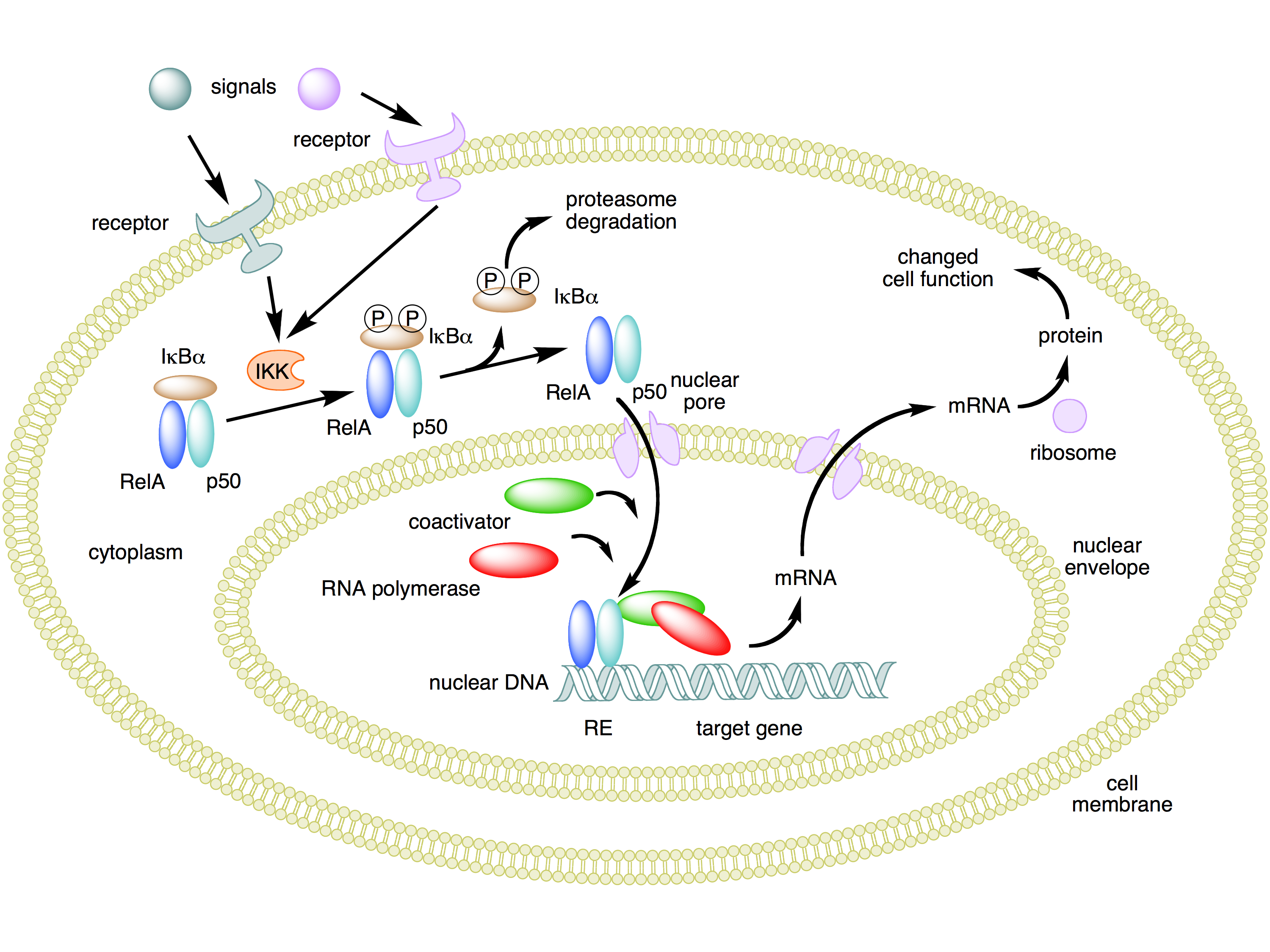
NF-κB Pathway Reporter Cell Lines
NF-κB reporters are widely used to study inflammation, immune signaling, and cellular stress responses.
NIH overview of NF-κB signaling
https://www.ncbi.nlm.nih.gov/books/NBK558285/
University-based educational resource (Johns Hopkins University)
https://pathology.jhu.edu/research/research-labs/nf-kb-signaling
MAPK/ERK Pathway Reporter Cell Lines
MAPK reporters enable quantification of growth factor signaling, cell proliferation, and oncogenic pathway activation.
NIH-hosted overview of MAPK signaling
https://www.ncbi.nlm.nih.gov/books/NBK557535/
Educational review from the University of Colorado
https://www.colorado.edu/lab/erksignaling/pathway
JAK/STAT Pathway Reporter Cell Lines
JAK/STAT reporters are commonly applied in cytokine signaling, immune modulation, and transcriptional activation studies.
NIH review of JAK/STAT signaling
https://pmc.ncbi.nlm.nih.gov/articles/PMC7086960/
Educational material from Yale University
https://medicine.yale.edu/immunobiology/research/jak-stat/
Wnt/β-Catenin Pathway Reporter Cell Lines
Wnt reporters are extensively used in developmental biology, stem cell research, and cell fate determination studies.
NIH background on Wnt signaling
https://www.ncbi.nlm.nih.gov/books/NBK546152/
University of Michigan educational resource
https://open.umich.edu/find/open-educational-resources/biology/wnt-signaling
Notch, Hedgehog, and TGF-β Pathway Reporters
Reporter cell lines targeting these pathways enable investigation of:
-
Cell differentiation and fate decisions
-
Developmental signaling networks
-
Crosstalk between pathways
NIH overview of Notch signaling
https://www.ncbi.nlm.nih.gov/books/NBK507685/
NIH overview of TGF-β signaling
https://www.ncbi.nlm.nih.gov/books/NBK558366/
Core Laboratory Applications of Signaling Pathway Reporter Cell Lines
1) Mechanism-of-Action Studies
Reporter cell lines provide direct evidence of pathway engagement, allowing researchers to distinguish between on-target and off-target effects.
NIH-supported discussion of pathway-based assays
https://pmc.ncbi.nlm.nih.gov/articles/PMC5742243/
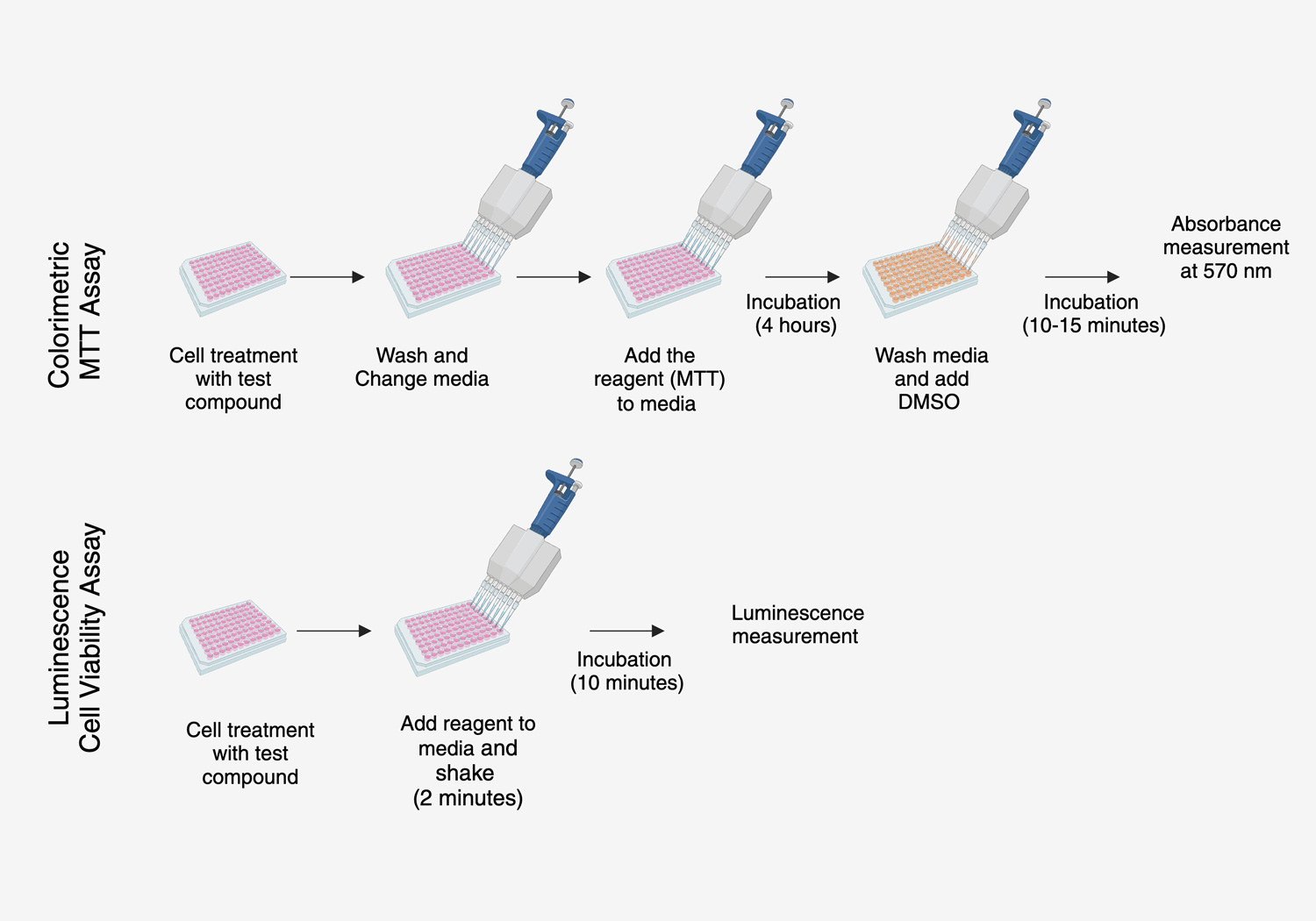
2) High-Throughput Screening (HTS)
Stable reporter cell lines are ideally suited for automation and large-scale screening.
The National Center for Advancing Translational Sciences provides resources on HTS assay development
https://ncats.nih.gov/translation/screening
3) Toxicology and Stress Response Research
Pathway reporters enable sensitive detection of:
-
Oxidative stress responses
-
DNA damage signaling
-
Inflammatory pathway activation
U.S. government background on cellular stress pathways
https://www.ncbi.nlm.nih.gov/books/NBK541154/
Genetic Engineering and Validation of Reporter Cell Lines
Stable Integration Strategies
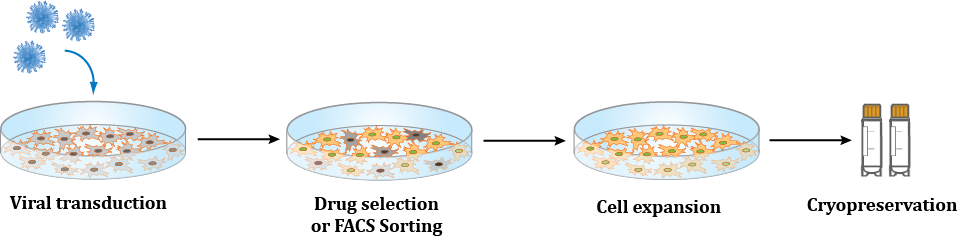
Reporter constructs are introduced using:
-
Lentiviral or retroviral vectors
-
Antibiotic-based selection systems
-
CRISPR/Cas9-mediated targeted insertion
NIH-funded overview of genome editing strategies
https://pmc.ncbi.nlm.nih.gov/articles/PMC6393419/
Signal Validation and Assay Performance
Validated reporter lines are assessed for:
-
Signal-to-background ratio
-
Dose-dependent responsiveness
-
Temporal activation kinetics
University protocol example (University of Wisconsin–Madison)
https://stemcells.wisc.edu/documents/ReporterAssayValidation.pdf
Quality Control, Authentication, and Reproducibility
Long-term experimental reliability depends on identity verification.
Guidance from the National Institute of Standards and Technology
https://www.nist.gov/programs-projects/cell-line-authentication
Supporting background from NCBI Bookshelf
https://www.ncbi.nlm.nih.gov/books/NBK144066/
Comparison: Pathway Reporter Cell Lines vs Biochemical Assays
| Feature | Reporter Cell Lines | Biochemical Assays |
|---|---|---|
| Cellular Context | Intact | Often cell-free |
| Temporal Resolution | High | Limited |
| HTS Compatibility | Excellent | Variable |
| Pathway Crosstalk | Preserved | Reduced |
NIH comparison discussion
https://pmc.ncbi.nlm.nih.gov/articles/PMC4553235/
Regulatory and Documentation Awareness (Research Use Only)
For laboratory documentation awareness, U.S. government resources include:
-
U.S. Food and Drug Administration – Cell-based assay considerations
https://www.fda.gov/science-research/bioinformatics-tools/cell-based-assays -
Centers for Disease Control and Prevention – Biosafety in Microbiological Laboratories (BMBL)
https://www.cdc.gov/labs/BMBL.html
(Provided strictly for research and documentation awareness; not clinical guidance.)

Why High-Quality Signaling Pathway Reporter Cell Lines Matter
Well-characterized Signaling Pathway Reporter Cell Lines deliver:
-
Quantitative, pathway-specific readouts
-
High reproducibility across experiments
-
Compatibility with multiple detection platforms
-
Scalability for screening and systems biology
They are essential tools for modern signal transduction research and functional cell-based assays.
Signaling Pathway Reporter Cell Lines are powerful research tools that enable real-time, quantitative monitoring of intracellular signaling pathways. Supported by extensive .edu and .gov literature, these stable cellular systems are widely used for pathway analysis, mechanism-of-action studies, and high-throughput screening.
Meta title: Signaling Pathway Reporter Cell Lines for Research | Cell-Based Pathway Analysis
Meta description: Learn how Signaling Pathway Reporter Cell Lines are used in laboratory research for quantitative pathway analysis, functional assays, and high-throughput screening, supported by authoritative .edu and .gov sources.